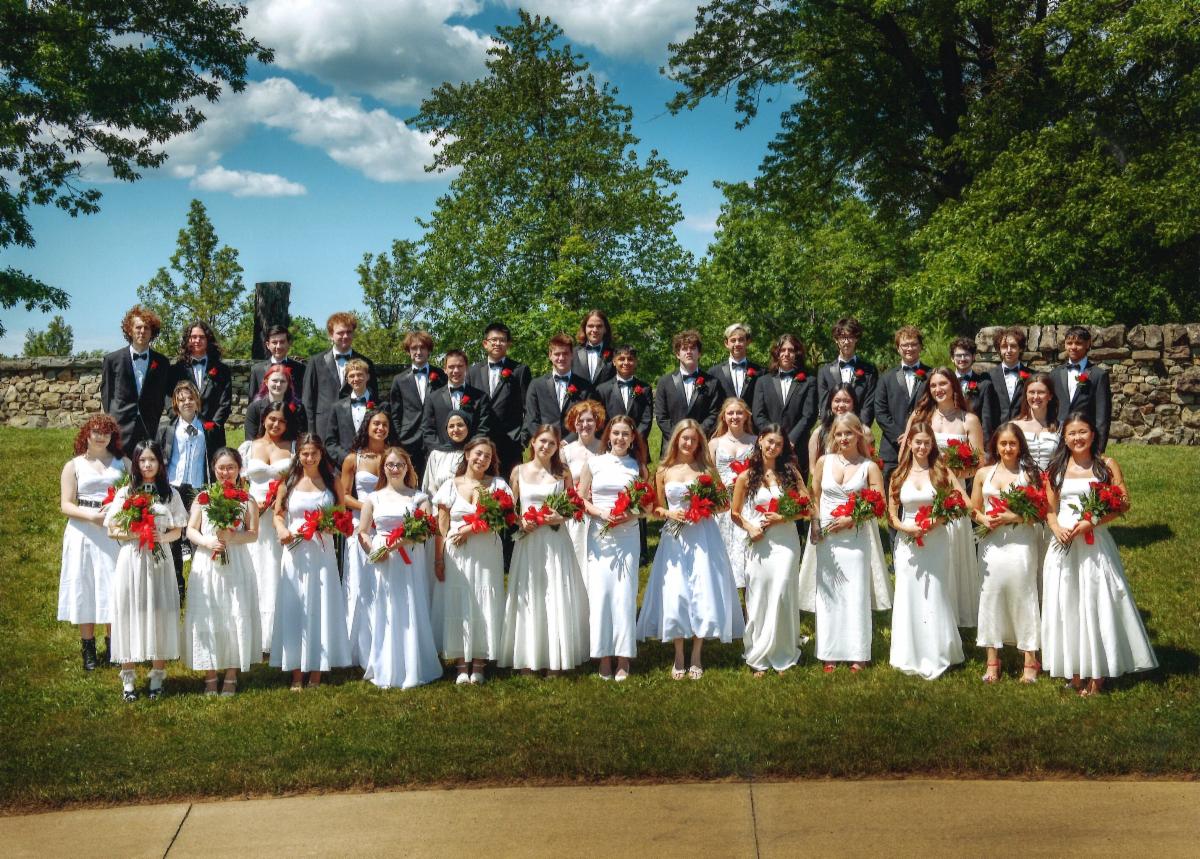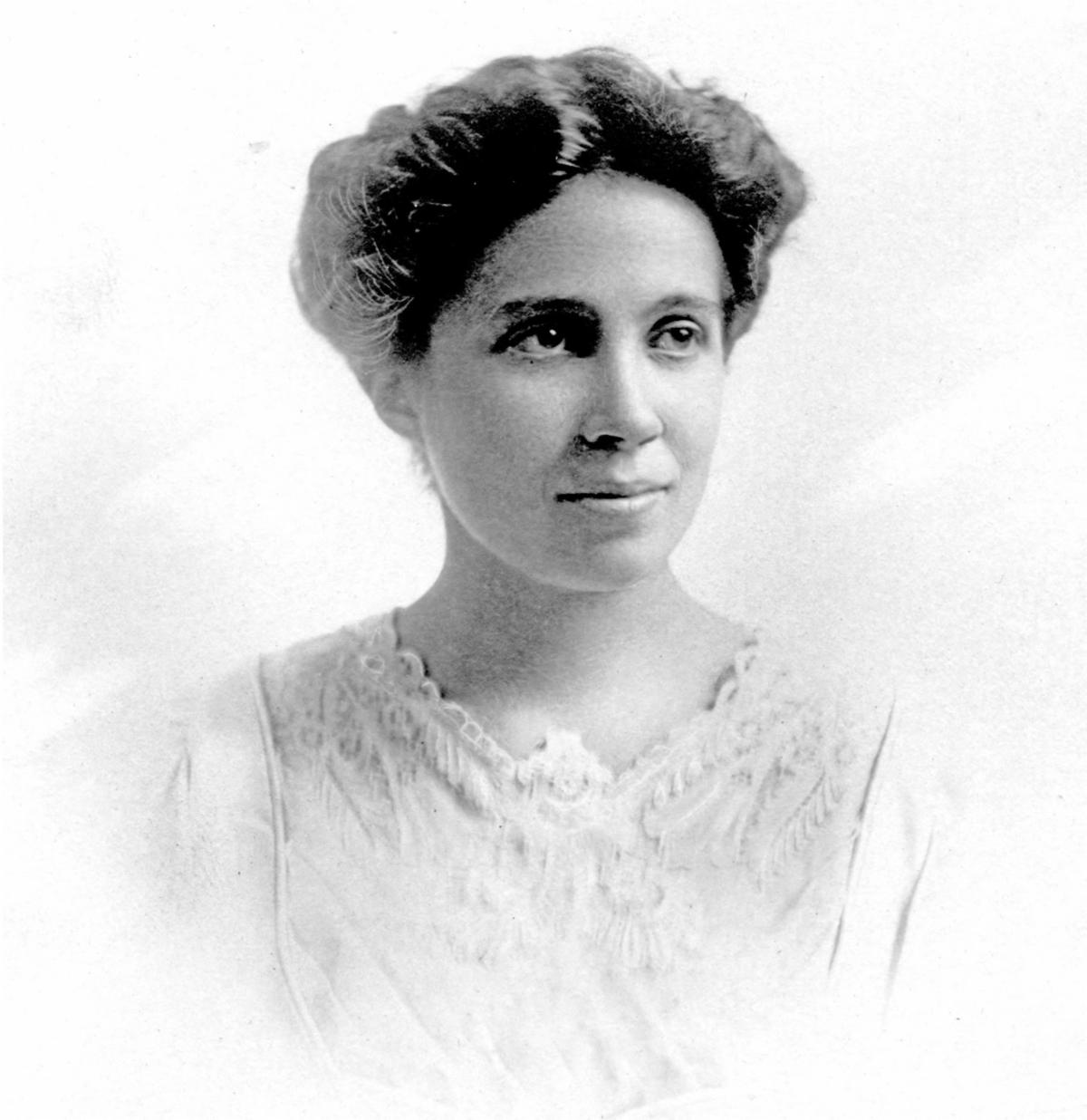

Rachel Zinman ’84 has built a life that weaves together movement, music, teaching, and deep inner inquiry—but the threads of that life were set in motion long before she became an internationally recognized yoga teacher, author, and musician. They began at Harley.
When Rachel reflects on her time at Harley, she admits she had to be intentional about looking past her teenage preoccupations and focusing on the education itself. What stands out most are the teachers who inspired her in lasting ways. Ron Richardson (Art, 1975-1998), her Grade 5 teacher as well as her art instructor—and later her photography teacher—had an enormous impact. His patience and approach to teaching opened up an entire world of creativity for her, nurturing her love of making and self-expression. She also remembers Kelly Fallon P ’79, ’81 (Art, 1967-2008), whose work in three-dimensional and sculptural art further expanded that creative foundation. Both teachers, she recalls, had the kind of temperament that made students feel encouraged and inspired.
At the same time, Al Soanes P ’86, ’87, CP ’11, ’13, ’17, ’27 (Upper School Science, 1971-2011) ignited her intellectual curiosity through his engaging and straightforward approach to chemistry. He helped her understand how things work at a fundamental level, sparking an interest that would later carry into her study of the body and anatomy.
Another lasting influence was Michael Lasser P ’77, ’80 (English, 1966-1998), whose memorable line,“If you’re bored, you’re boring.” left a strong impression. For Rachel, it was a call to stay engaged and focused, a mindset she continues to carry with her. Across the board, she remembers Harley’s teachers not only for their individual impact, but for the freedom they gave her to explore her passion for dance, allowing her to pursue what she loved with both support and encouragement.
One of Rachel’s most vivid memories from Harley is a spontaneous performance at a Coffeehouse gathering in the Wilson Gallery. She choreographed a dance to a ragtime piece by Scott Joplin. What stayed with her was the feeling: everyone in Grades 5-8 gathered to watch, and she had the chance to share something she loved. The experience was both exhilarating and affirming. Surrounded by support from peers and teachers, she felt like she belonged to the school community as a whole—so much so that it made her genuinely excited to come to school each day, eager to learn and participate.
Another experience that left a lasting impression was Harley’s Mock Convention. It not only sparked her interest in politics, but also challenged her way of thinking. Rachel, who naturally tended toward black-and-white perspectives, found herself learning how to consider multiple viewpoints, engage in debate, and understand the complexity of different opinions. Together, these moments captured what made her time at Harley so meaningful: a balance of freedom, support, and the encouragement to grow in unexpected ways.
Rachel’s first encounter with yoga wasn’t that memorable; it was part of Harley’s creative electives program. More memorable was taking a creative movement class with Jay Stetzer P '88, '91, GP '20, '26 (Lower School Performing Arts, 1971-2018). A fellow student was performing a mesmerizing dance on a chair, embodying a snake to the sound of an oboe. It was striking, imaginative, and unforgettable. Experiences like that, along with opportunities to explore acting and music, helped Rachel feel at home in her body while also deepening her appreciation for the creativity and talent of others.
While her introduction to yoga was unremarkable—she doesn’t even recall the exact moment—it was no less meaningful. She knows it left an impression.When she returned to yoga at 19, it felt familiar—like something she already understood on a deeper level. “It wasn’t alien,” she reflects. “It was like, oh yes, I remember how this feels.” That early, almost unconscious exposure would later guide her life’s work.
Rachel also recalls how deeply she was shaped by other classroom experiences, particularly in history. Watching films about slavery and the Holocaust in Bill Dalton P ’82, ’85, ’87’s (English, 1971-98) class left a lasting emotional imprint. Those moments stayed with her, shaping both her sense of empathy and her awareness of the world. Looking back, she recognizes just how impressionable she was, and how much of what she absorbed at Harley, both consciously and unconsciously, continued to influence her long after she left.
Rachel actually left Harley after Grade 11 to focus on dance, and graduated from Interlochen Arts Academy in Michigan. Her passion for dance had taken center stage. With the support of her teachers, she was allowed to step away from traditional athletics to pursue dance more fully, training daily and preparing for a professional future. That support proved pivotal: she was accepted to both NYU and the prestigious Juilliard School.
However, plans changed. During a family trip to Australia, she fell in love—not just with a person, but with the possibility of a different life. After a brief stint at Juilliard, she left the program and moved to Australia, choosing uncertainty over expectation.
At first, the change was disorienting. Within weeks, she found herself restless, questioning her choice. But true to her nature, she acted. She sought out a dance school, resumed training, and soon began teaching. Opportunities unfolded quickly and unexpectedly. Before long, she was choreographing, performing, and eventually leading. In her early thirties, she became the head of a dance program, developing curriculum, coordinating teachers, and even navigating government accreditation processes.
Alongside her role as head of dance she also deepened her interest in yoga. Even though she had been doing yoga on and off since the age of 17, it was after giving up her performing career at 23 that she decided to make yoga a full-time exploration. As she transitioned from dancer to teacher, from performer to educator, the integration of movement, breath, philosophy, and self-inquiry became a cohesive path. Over time, her work expanded internationally, from training teachers, developing programs, to contributing to the evolution of yoga education across continents.
She says the essence of her work has been consistent with a commitment to curiosity, creativity, and growth.
Now, at 60, Rachel finds herself in another moment of transition. Following the recent loss of her stepmother and, as she supports her aging father, she is reflecting on legacy, purpose, and what comes next. But rather than forcing answers, she is leaning into one of yoga’s integral and holistic teachings: To give back to the world, give time to yourself and allow what comes next to reveal itself.
Looking back, Rachel sees a clear through-line from her time at Harley to the life she has built. The encouragement of her teachers, the freedom to explore, the invitation to be curious and adventurous—these were not just elements of her education; they were the foundation of her future.
Her advice to students today reflects that same spirit: follow your intuition, ask questions, and don’t be afraid to pursue what you love. Talk to your teachers. Say yes to opportunities. Stay curious.
Today, based in Byron Bay, Australia, Rachel is known around the world for her work in yoga, pranayama, and Self Knowledge (Atma Vidya). With more than 35 years of experience, she co-founded the Sundaram Online Ashram with her partner and Vedanta teacher, John Weddepohl, creating a global space for study, meditation, and transformation. She is also the author of Yoga for Diabetes: How to Manage Your Health with Yoga and Ayurveda, an advocate for those living with Type 1 diabetes, and a gifted kirtan artist whose music is often described as healing and deeply moving. But long before she was guiding others, she was a student on the adventurous quest to find her purpose and passion.