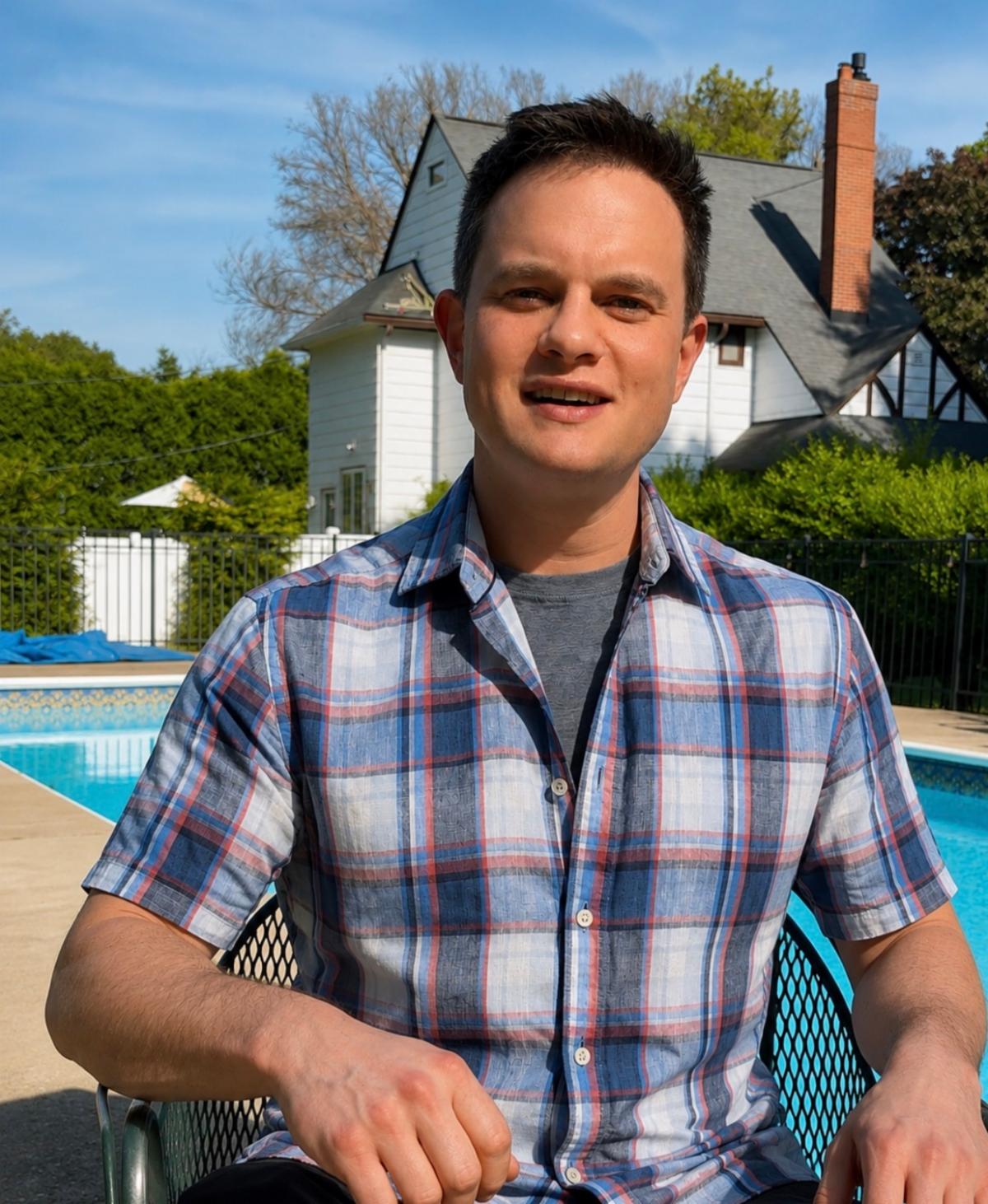
| Upper School math teacher Dr. Cori Perkins P ’30 (Upper School Math, 2021-present) blends statistics, psychology, and compassion to take the fear out of math and to pull the Harley community together.
Ask Cori how she became a math teacher and she’ll quickly reply, “I’m not a mathematician, I’m a statistician.” That distinction reflects the path that eventually brought her to the classroom—one shaped not only by numbers, but by curiosity about how people think, learn, and respond to challenges.
Growing up, Cori imagined becoming a teacher. But when she enrolled at the University of Arizona, she chose to study clinical psychology, immersing herself in the study of human behavior and the ways people process emotions, motivation, and stress.
During college, she secured an internship with the U.S. Department of Education during the rollout of the No Child Left Behind Act, which required students to pass standardized tests in order to graduate. Cori worked directly with students who had not passed the exam and needed additional support. She enjoyed the challenge of helping those students build confidence and understanding; this was her first time working in a high school classroom.
Later, as a statistician conducting research, Cori became interested in something statisticians often ignore: missing data. When participants drop out of a study, their absence can tell an important story.
In one project exploring emotional learning, researchers needed an ethical way to create stress in a controlled environment (called “fear conditioning”). A surprisingly effective method is to have people solve math problems in front of an audience. The task created intense anxiety—so much so that many participants refused to return for the second phase of the study.
Cori was also studying the work of psychologist Professor Martin Seligman and his theory of “Learned Optimism,” which suggests people can train themselves to interpret setbacks in healthier ways. She noticed that participants who identified as optimists were often the ones who didn’t return for the second round—they chose not to repeat an experience that had been so stressful for them. Meanwhile, many pessimists did return, likely believing they had little control over the situation. The results made Cori think deeply about the environments we create for learning.
She continued her graduate work at Vanderbilt University, where she participated in research related to Post-Traumatic Stress Disorder and completed specialized training through the Interdisciplinary Program in Educational Psychology (IPEP), a program focused on how neurological development influences learning and emotional regulation. Part of the training required education coursework, and through those classes, Cori’s interest in teaching was rekindled.
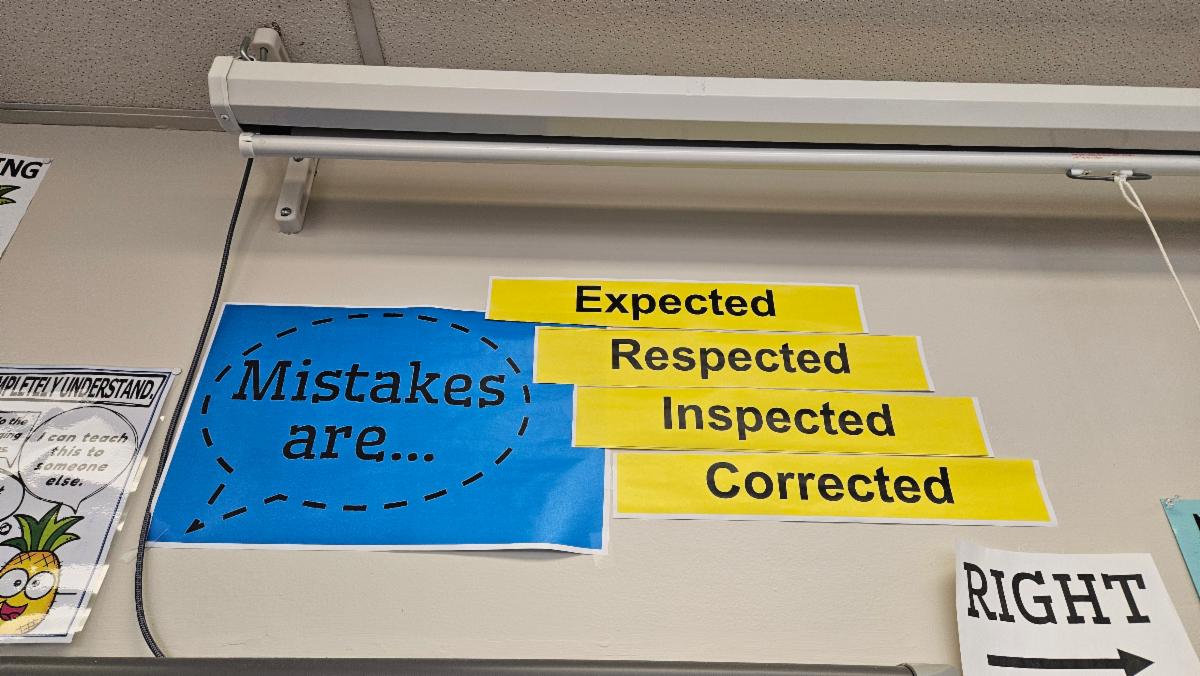
Today, Cori brings that unusual blend of statistics and psychology into her Upper School math classroom. She understands that for many students, math can be one of the most stressful subjects they encounter. Due to her academic background, she knows how to create a classroom environment where students feel safe enough to make mistakes. Students are encouraged to revisit and correct their work, even redoing tests after reflecting on their mistakes. For Cori, learning isn’t about a rigid timeline, she supports them as long as they continue trying.
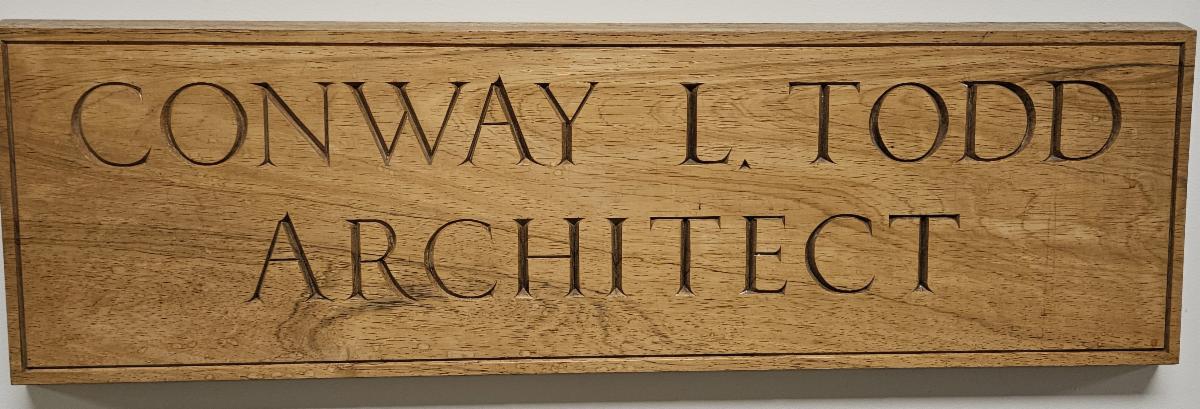
A sign hanging in her classroom captures the philosophy: |