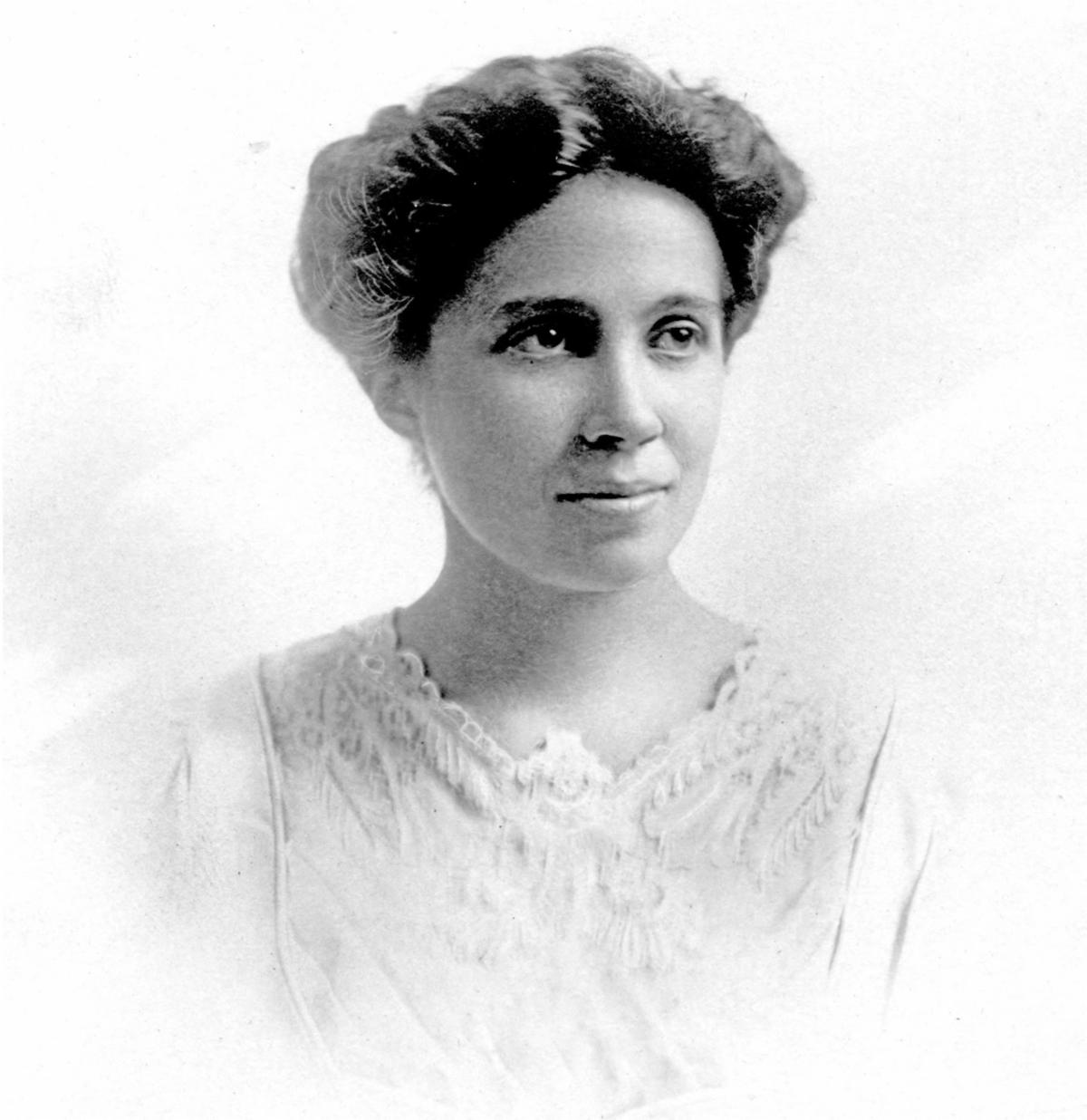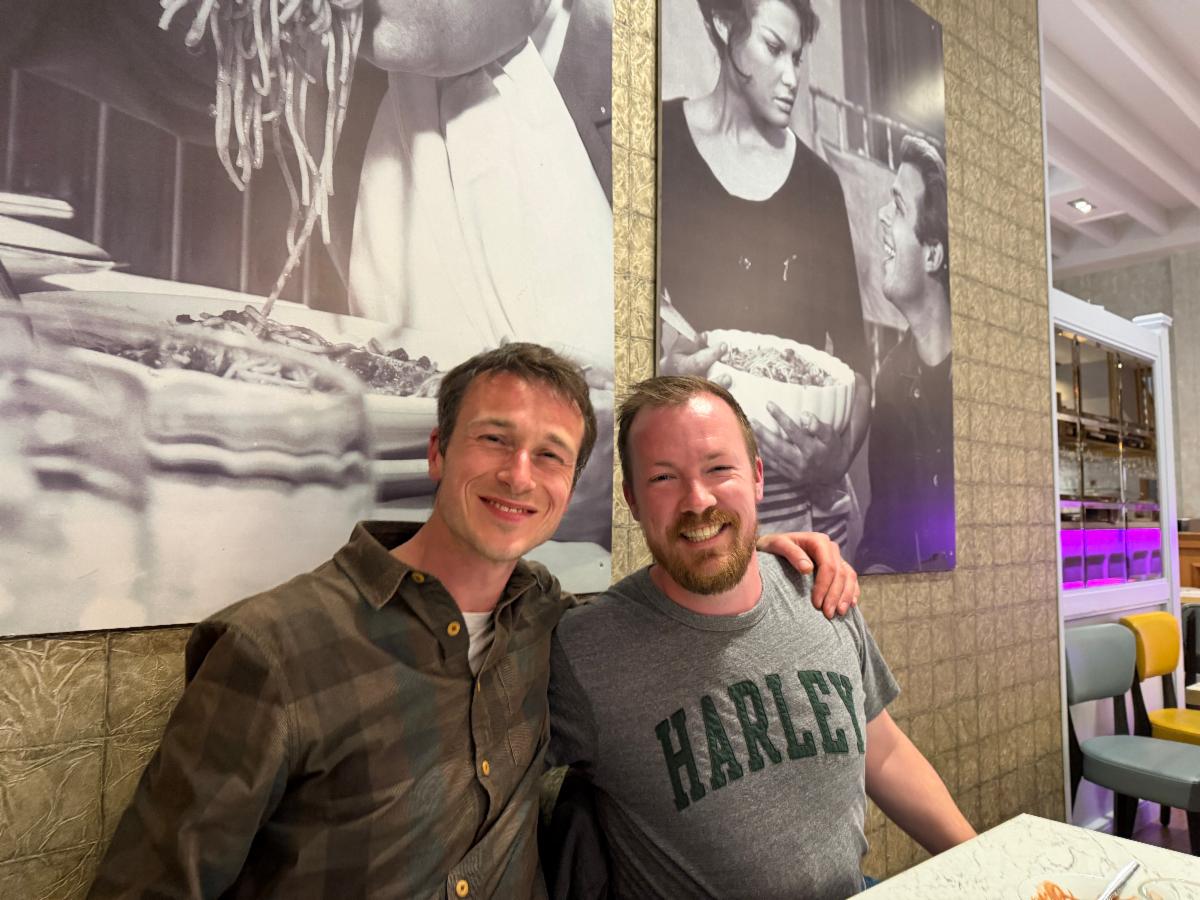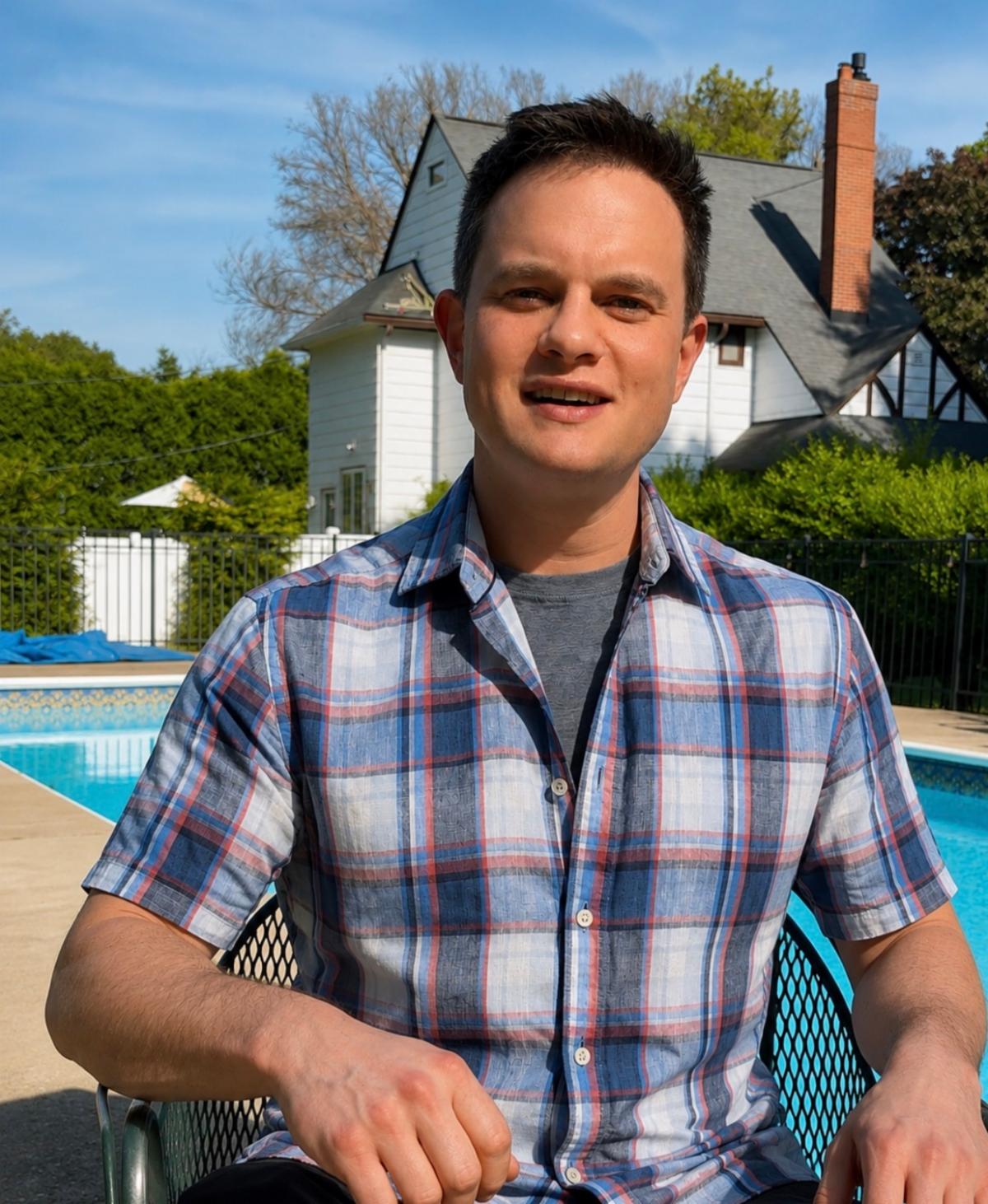

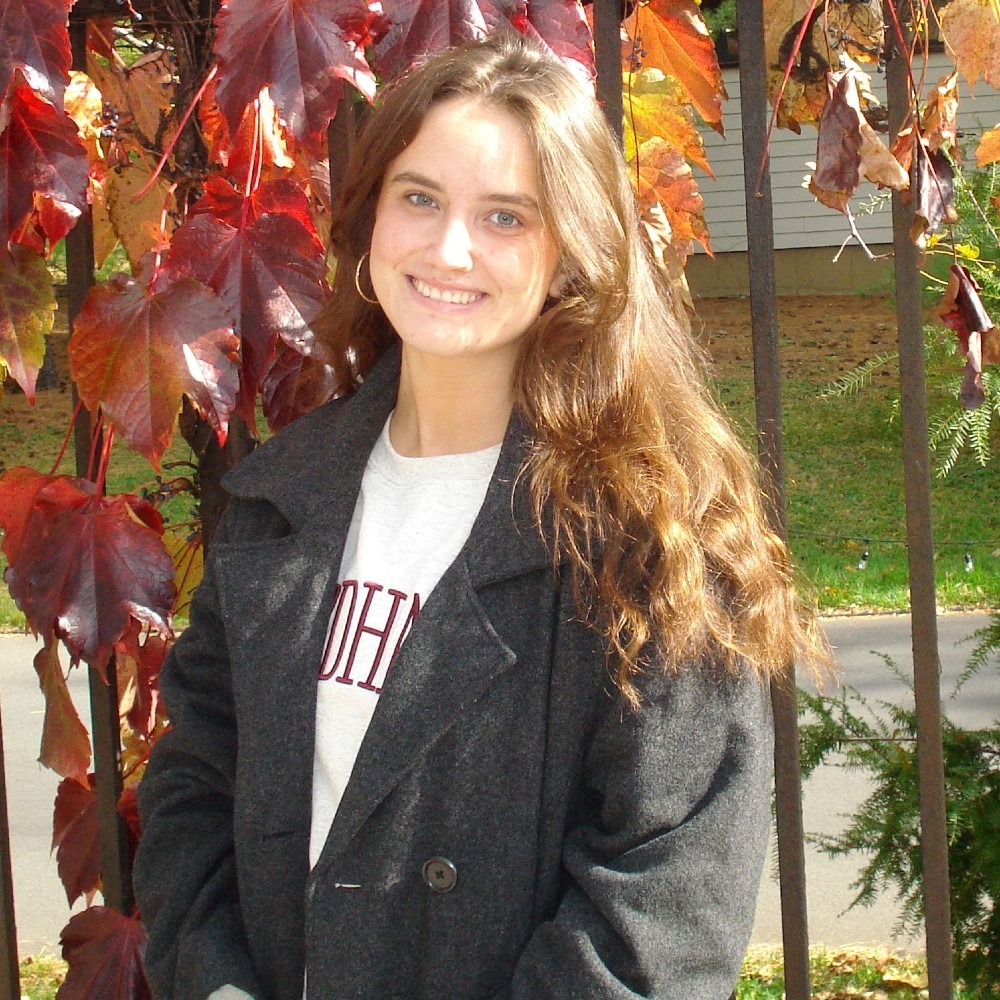
Fiona O’Brien ’19 started at Harley in Grade 7. When she arrived, she was shy and a little nervous—but that feeling didn’t last long. From the first days of Middle School, she formed friendships that have endured. Many of those same friends now live near her in New York City. For Fiona, those relationships remain one of the most meaningful parts of her Harley experience.
Athletics also played a defining role. Fiona played soccer from Grades 7-12 and was a member of the HAC swim team She is quick to say she was never the strongest athlete, but that is exactly what made the experience so important. The Harley Allendale Columbia (HAC) athletic program gave her space to develop without fear of being cut or sidelined. Over the years, she and her teammates grew closer, and some of those long-lasting friendships are teammates from Allendale Columbia. She says the HAC experience built strong bonds and definitely gave her confidence to take chances and try new things.
On the academic side, Fiona doesn’t understand when people describe high school as rigid or uninspiring, because that wasn’t her experience at all. At Harley, teachers treated students like thinkers. Like colleagues. In English and history classrooms especially, she was invited not just to absorb ideas but to wrestle with them.
Bill Schara (History 1997-2021, 2022-23) remains, in her words, “One of the best teachers I have ever had.” Kristin Sheridan (History, 2007-present), Sandy Foster P ’19, ’19 (History 1997-2022), Erin Berg (English, 2015-present), and Pat Malone P ’20 (English, 2009-2024) shaped her intellectual path. Through the readings of Jane Eyre and Beloved, rigorous discussions and demanding writing assignments, Fiona learned how to think deeply—and how to love the work of thinking.
She also had her father, Dave O’Brien P ’19 (English 2011-present), as a teacher. To Fiona, her dad isn’t just an English teacher—he’s the model of what a lifelong learner looks like. Fluent in Middle English, able to read Chaucer in its original form, she says he is endlessly curious and endlessly humble. From him, she learned that teaching is not simply about expertise; it is about commitment to students’ growth.
By the time Fiona graduated in 2019, she knew she wanted to study history. At the University of Toronto, she entered directly into the discipline and quickly found a close-knit community within the larger institution. She became involved in the History Students Association, served as president of the Association of Renaissance Students, and worked at the Centre for Renaissance and Reformation Studies rare book library.
Her academic interests sharpened. For her undergraduate thesis, she studied women’s abortifacient herbs (herbs that can cause a miscarriage) in the early modern period—a project born from curiosity, feminism, and a desire to understand how women historically navigated reproductive health. She continued at the University of Toronto for a master’s degree where she examined the sensory and social experience of childbirth in early modern England. What began as curiosity developed into sustained research into reproductive health, law, and women’s lived experiences.
Now a Ph.D. candidate at Fordham University in New York City, Fiona continues that work. Her current research challenges a common legal assumption: that abortion has always been a felony under English common law. In reality, Fiona’s archival work—drawing on sources dating back to 1348—reveals that this simply isn’t true. Much of the legal reasoning used in contemporary decisions, including Dobbs v. Jackson, (the court case that overruled Roe v Wade) rests on historical interpretations that collapse under closer scrutiny.
Through fellowships like the Loyola New Student Distinguished Fellowship and a Scholarly Programs Fellowship at the Folger Shakespeare Library, Fiona has dug into early modern court records—particularly from Bridewell Prison in London, where cases involving so-called “disorderly women” were recorded. Attempts at infanticide, accusations of illicit sexuality, and efforts to control childbirth appear in fragile pages that Fiona and other paleographers transcribe.
Her work is meticulous, collaborative, and surprisingly modern in its methods. Networking, she notes, isn’t just for business majors. Historians depend on each other constantly with cold emails to scholars, inquiries to archivists, and conversations across disciplines. Without the transcribers who decoded centuries-old handwriting, without mentors who shared sources, her research wouldn’t exist. Even now, she often turns to her father for humanities questions and her mother, a physician and surgeon, for medical context. This research, for Fiona, is communal.
Although deeply committed to research, Fiona’s long-term goal is teaching. Fordham’s teaching-focused Ph.D. program allows her to co-teach and, soon, lead her own courses. She finds great fulfillment in working with students and sees teaching as the natural extension of the education she received.
When asked what advice she would give current Harley students, Fiona says, “Throw yourself wholeheartedly into the things that are the scariest! Be the worst on the team. Take the class that intimidates you. Try the sport you’ve never played. Harley is the place to experiment.” She says, too often, students slot themselves into the idea that they are an athlete, an artist, a scholar. Fiona believes in crossing those lines because growth lives on the other side of that discomfort.