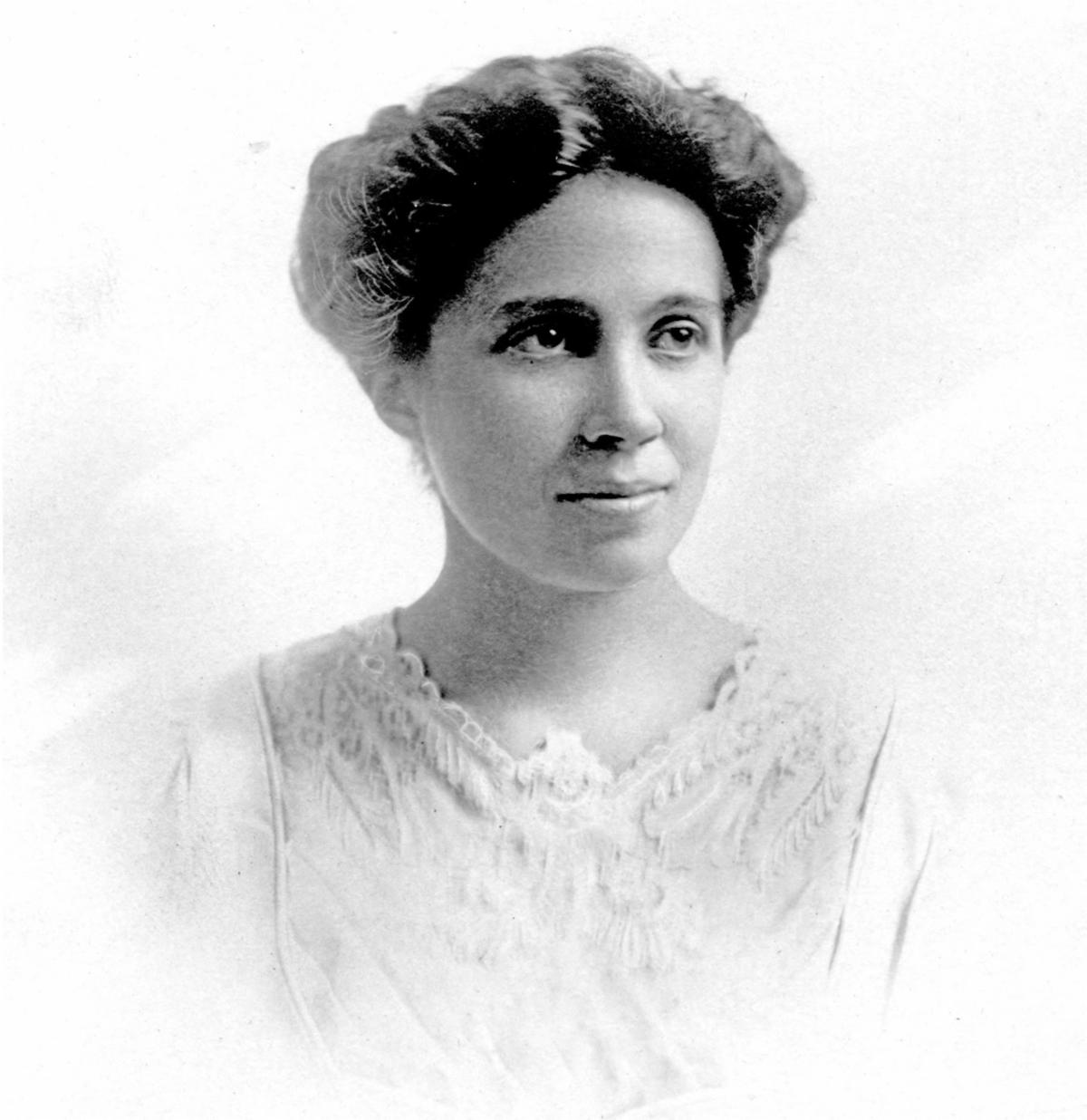
Harriet Benton Bentley
1885-1918
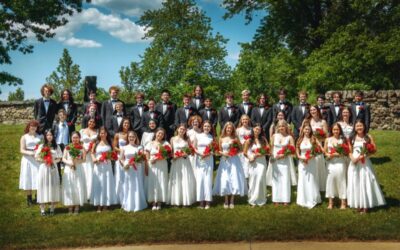
In 1917, a group of ten mothers from different social circles led by 31-year old Harriet Bentley opened a school for four-year-olds in the Park Avenue neighborhood of Rochester, New York. These mothers had seriously researched the best methods of providing a “progressive education” to their children, a radical concept in those days. Working in close collaboration with a City Normal School professor and hiring a Montessori-trained teacher from New York City, the school was called the Children’s University School of Rochester. The school was to be democratic with scholarships for less privileged children. It was cooperative, with the parents and teachers operating the school together.
Its purpose was “to interpret and meet the needs of the individual child so that the child may fit in with and serve his fellow beings to the height of his power. The school surrounds that child with conditions which free his potentialities for full growth and development and seriously takes into account not only his outward achievement but the kind of individual developed through the achievement.”
In December 1918, tragedy struck the Bentley family when Harriet died, a victim of the Spanish Influenza Pandemic. She left behind her husband and four young daughters, the smallest only three days old.
In 1924, five years after her death, the school was incorporated by the State of New York under the name “Harley,” combining the first three letters of Harriet with the last three letters of Bentley, commemorating her as the school’s founder. It was her dedication and inspiration, as well as her executive abilities and vision, that had given permanence and influence to the school.
Born on a dairy farm in Connecticut, Harriet spent her childhood in New Bedford, MA. She attended the Friends School, and in 1907 graduated from Vassar with an A.B. degree, following in the footsteps of her mother, who was in the class of 1871. Vassar was the first college to offer a full University program for women. Two years later she married Cogswell Bentley, a local attorney, and moved to Rochester.
In spite of her brief life, Harriet Bentley remains a role model for Harley students in the twenty-first century. Like many Harley students today, she loved music—playing the piano, singing, enjoying classical music and opera. She wrote poetry and was an avid reader. She loved nature and the outdoors, taking week-long canoe camping trips into Canada with her friends and family (see below), portaging from lake to lake. She loved taking long walks through the woods with her family. Harriet and her husband were avid tennis players, and had planned to build a tennis court behind their home. They also shared an interest in gardening, planting a large vegetable garden as well as fruit trees. Harriet, having had the advantage of a fine education, was dedicated to the service of her community, working to provide children the best educational opportunities.
Harriet’s father, Charles Benton, in his touching four-page eulogy, pays tribute to his beloved daughter’s life. He described the traits that personified her character: a keen sense of justice, recognizing the rights of others as well as standing up for her own rights, being cheerful and optimistic, and having a joy of life even to the day of her death. He wrote that Harriet “leaves behind as a heritage a memory fragrant with cheerfulness, friendship, kindness, and just every-day goodness.”
After one hundred years, her legacy continues at Haley, the school that bears her name and dreams her dreams.
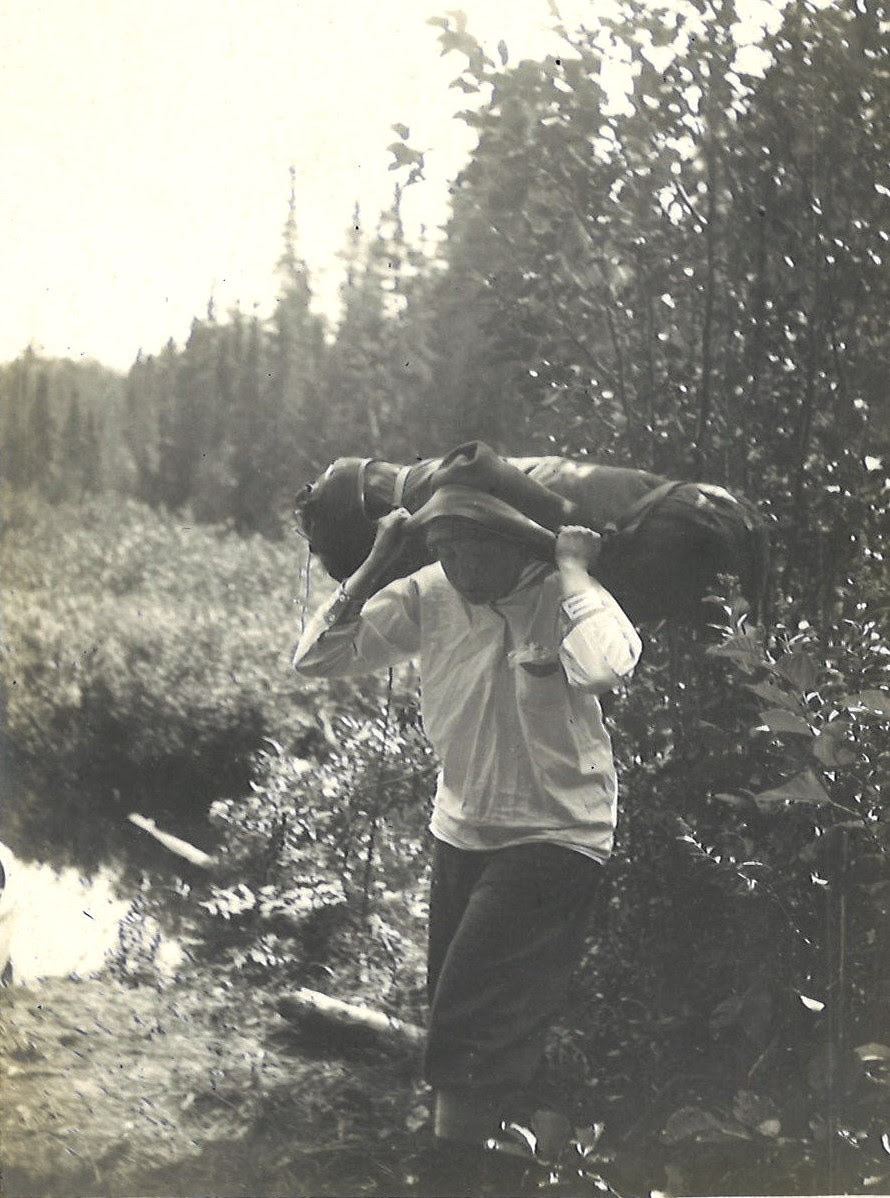
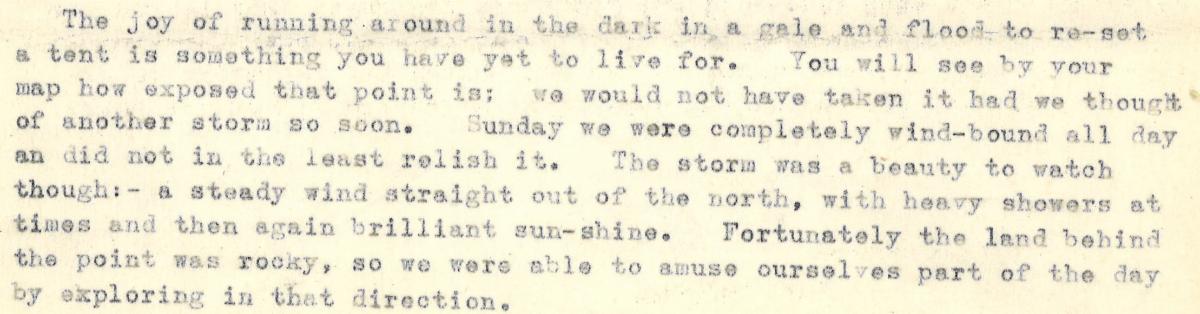
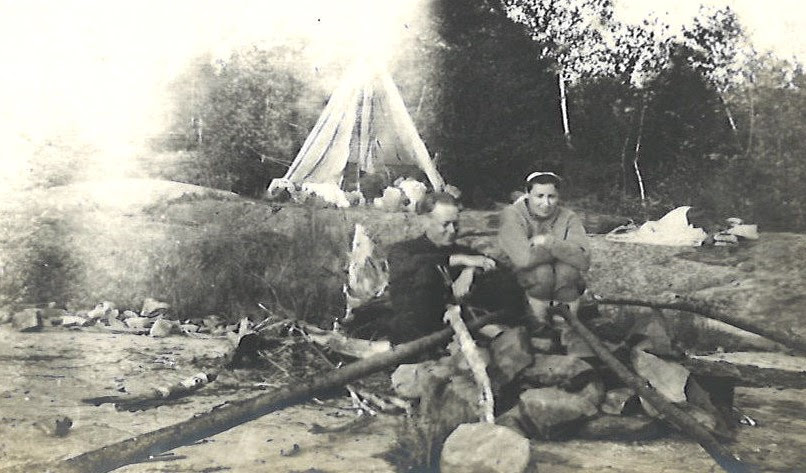
Photos and a diary excerpt from trips Harriet took with her family to Ontario, Canada in 1913 and 1915.